The Planning Trap: Why Organizing Your Tasks Feels Productive (But Isn't)
You have the perfect system. Labels, priorities, tags, deadlines, color codes, folder structures. Your task manager is a work of art. You spend thirty minutes every morning organizing, categorizing, and reordering. You feel great. You are in control.
And then the day is over, and you have done almost nothing on the list. Just organized it again.
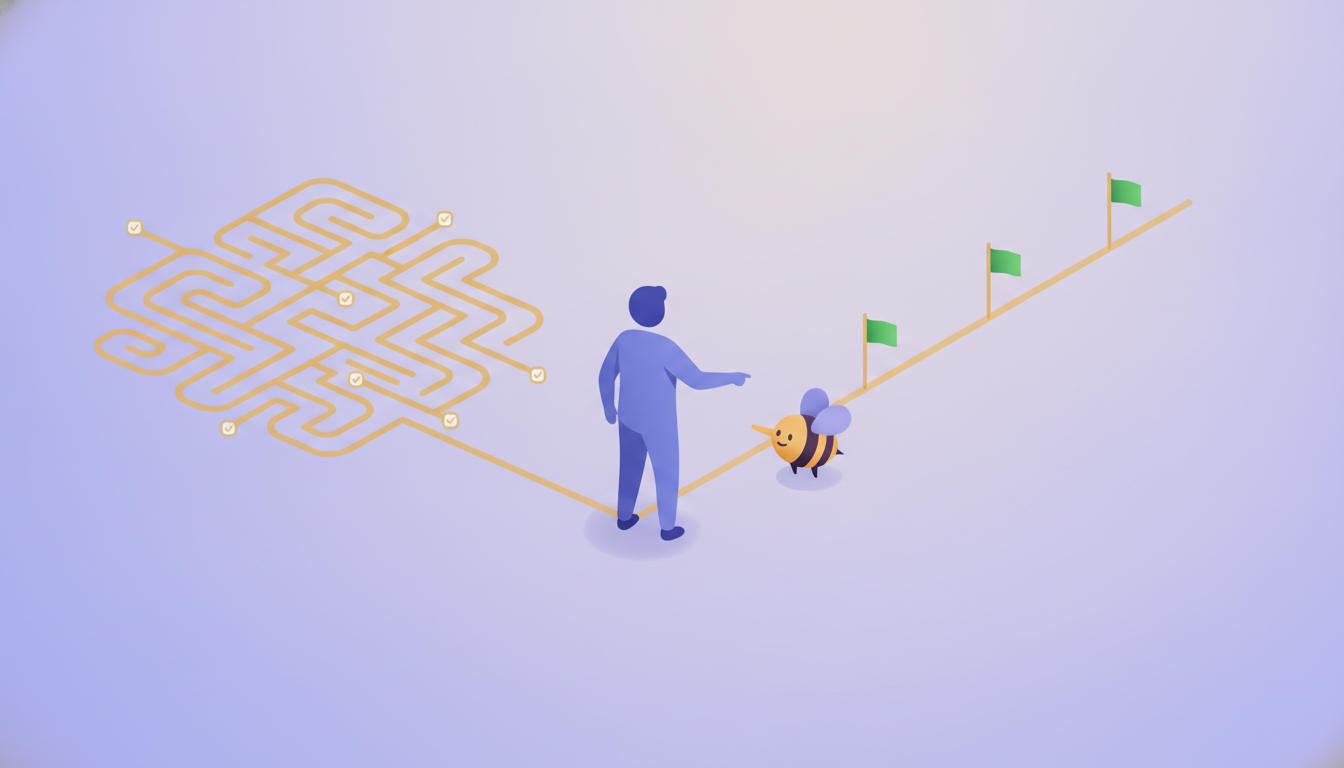
This is the planning trap, and it is one of the most deceptive forms of productivity procrastination. Organizing your tasks feels productive because it involves handling work-related materials. You are touching your tasks, thinking about them, structuring them. But you are not doing them. The feeling of control you get from a perfectly ordered system is a substitute for the harder feeling of progress.
Why We Fall Into the Planning Trap
The planning trap works because planning is genuinely useful — in the right dose. A well-structured system reduces friction when you actually execute. But when planning becomes the main event, it turns into a sophisticated avoidance strategy.
The brain loves this. Planning is low-risk. It carries no threat of failure or discomfort. Reorganizing a list is safe. Starting a difficult task is not. So the brain steers you toward the safe, organizing activity and calls it productivity.
This is especially seductive for people with ADHD or executive function challenges. The act of categorizing and sorting provides a dopamine hit of control and clarity without requiring the sustained focus that execution demands. It is planning as a stimming behavior — the repetitive organizing motion soothes the mind but produces nothing.
The Science Behind the Trap
Two psychological phenomena explain why the planning trap is so powerful.
The Zeigarnik Effect
The Zeigarnik effect states that the brain remembers incomplete tasks better than completed ones. This is why an unfinished task keeps popping into your head — your brain is holding it in an active buffer, waiting for closure.
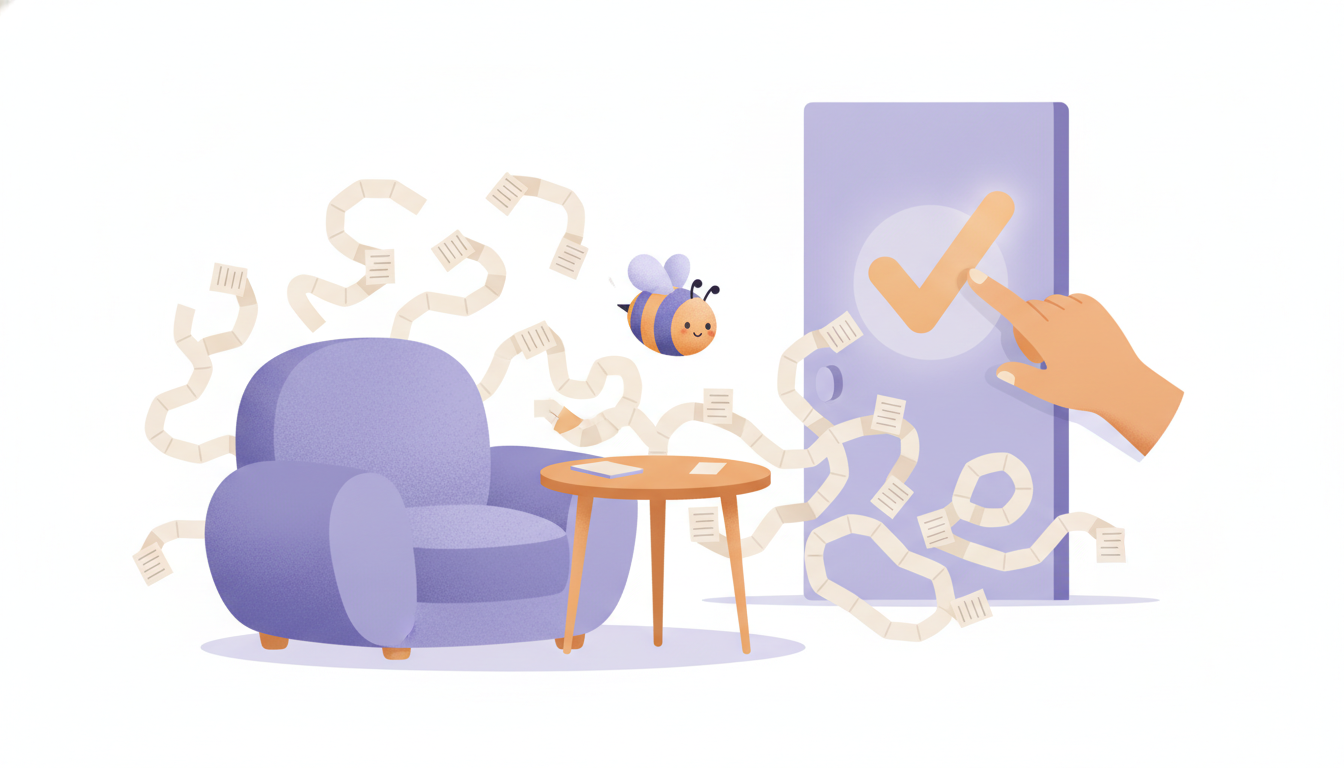
The planning trap exploits this. When you organize a task into the right category with the right label, your brain gets a small sense of closure. It is not completion, but it is a form of resolution — “I have handled this task.” This temporary relief reduces the urgency to actually do the work.
The Planning Fallacy
The planning fallacy is our tendency to underestimate how long tasks will take, even when we have evidence from past experience. We assume everything will go smoothly. We forget how often things do not.
When you spend hours planning your perfect day down to fifteen-minute blocks, you are operating inside the planning fallacy. You believe the plan will hold. When reality inevitably interrupts, the plan shatters, and you feel like you have failed. So you plan again, more carefully, hoping this time the plan will survive contact with reality.
How BeeDone Breaks the Planning Trap
BeeDone is designed around a simple principle: the system should make it easier to start than to organize.
Task Limiting Prevents Over-Planning
You cannot organize ten categories of tasks in BeeDone because the daily view only shows what matters right now. The focus is on a small, achievable set of tasks for today — typically three to five. This constraint prevents the sprawl that leads to over-organizing.
When the system shows you only what you need to do today, there is nothing left to organize. The choice set is narrow. The decision is already made. Just start.
Quick-Add Gets Tasks Out of Your Head
The friction in most task managers is adding a task. You need the right project, the right tags, the right priority, the right due date. By the time you have set all that up, the thought is gone and you are back to organizing.
BeeDone’s quick-add is intentionally bare. Type the task. Done. You can add context later. The point is to capture the thought while it is fresh and get back to executing.
AI Suggestions Reduce Decision Time
Instead of spending twenty minutes deciding what to work on, BeeDone’s AI coach suggests your next best task based on your habits, deadlines, and energy patterns. This eliminates the planning loop entirely. The system decides so you do not have to.
For people who habitually over-plan because of decision anxiety, this feature is transformative. You do not need to organize the whole week. Just trust the suggestion and start.
Time-Boxed Focus Blocks
BeeDone encourages Focus sessions with a fixed timer rather than a fixed plan. Instead of planning “I will work from 9 to 11 on task A, then 11 to 12 on task B,” you set a twenty-five-minute timer and work on whatever is most important right now. The container is fixed. The content is flexible.
This shift — from planning the content to planning the time — is the opposite of the planning trap. You stop optimizing the arrangement of tasks and start optimizing the allocation of attention.
The Core Distinction
Planning is preparation. Over-planning is avoidance. The line between them is action. If you have planned but have not acted, you have crossed the line. The best antidote is a system that makes starting cheaper than organizing. That is what BeeDone was built to do.
Frequently Asked Questions
How do I know if I am over-planning?
If you spend more than ten percent of your work time organizing tasks, categorizing, or updating your system without doing the tasks themselves, you are likely over-planning. Another sign: you feel productive after organizing but have little to show for it at the end of the day.
Is planning not important for productivity?
Planning is essential — in the right proportion. Good planning takes minutes, not hours. It sets the direction for a work session and then gets out of the way. The problem is not planning. It is planning that replaces execution rather than enabling it.
Why do I feel addicted to organizing my task list?
Organizing provides a dopamine hit of control and closure without the risk of failure. It feels productive without demanding the vulnerability that real work requires. This is especially common in people who are anxious about performance or perfectionism. The list becomes a safe space.
How does BeeDone prevent over-planning?
By limiting daily task visibility, providing frictionless quick-add, offering AI-powered task suggestions, and encouraging time-boxed Focus sessions instead of rigid schedules. The design philosophy is simple: make starting easier than organizing.
What is the difference between planning and the planning fallacy?
Planning is estimating what needs to be done and when. The planning fallacy is the systematic bias that makes those estimates unrealistically optimistic. Awareness of the planning fallacy helps you build buffers into your schedule — and avoid spending hours on a plan that reality will rewrite anyway.